Security infrastructure
Powering identity-aware security
Operationalize identity intelligence across your security ecosystem.
Challenge & solution
Reveal identity blind spots
Disconnected identity and security workflows slow investigations and limit response accuracy during active threats.
SailPoint helps security teams:
- Bridge the gap between your identity and security teams
- Enrich security alerts with deep identity context
- Accelerate threat triage and incident response
- Enable targeted containment to reduce business disruption
Use cases
From identity signals to intelligent action
Identity context strengthens security operations by connecting identity signals to real-time investigation and response workflows.
Exchange identity signals across systems
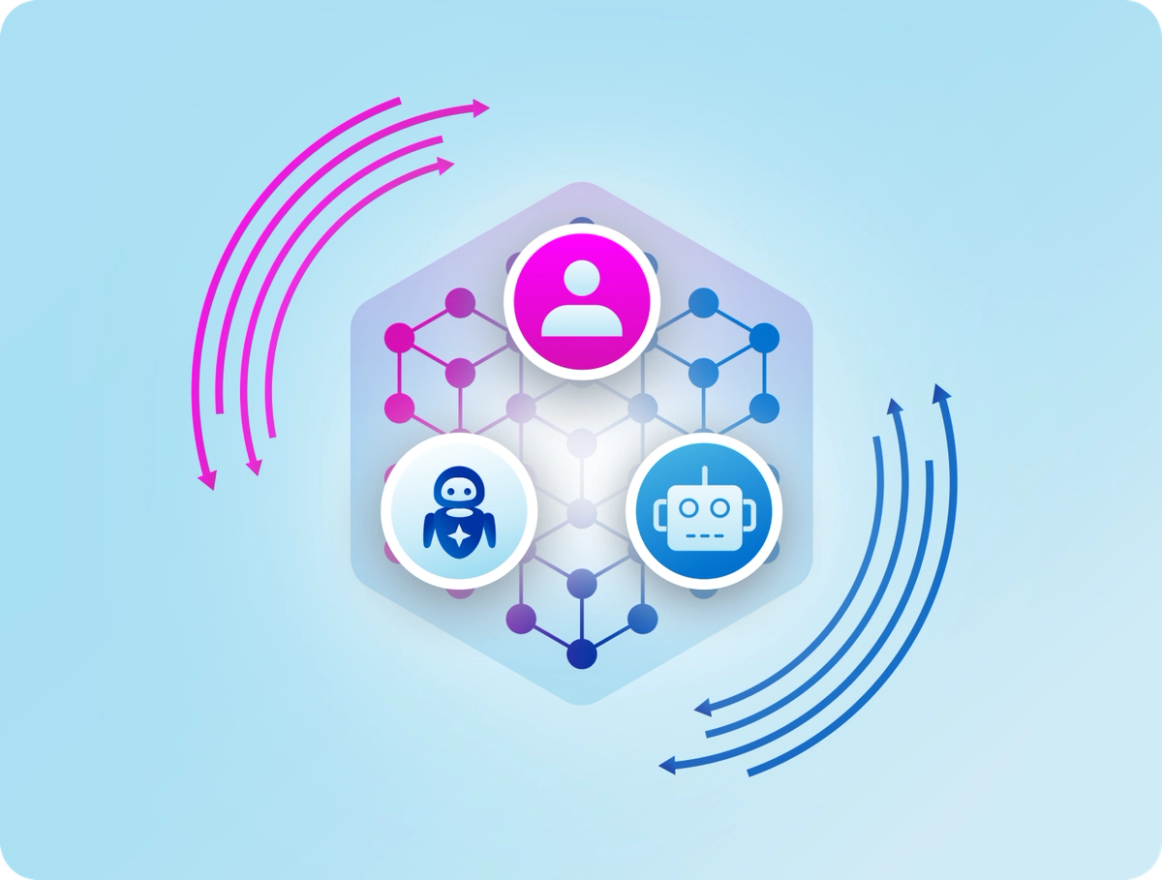
Shared Signals Framework (SSF) enables bidirectional transmission of identity signals across identity and security systems to support consistent, reliable data flow.
- Transmit identity events from identity systems into security tools.
- Receive and route security-relevant identity signals back into identity systems.
- Normalize identity data across platforms and environments.
Enrich security alerts with actionable context
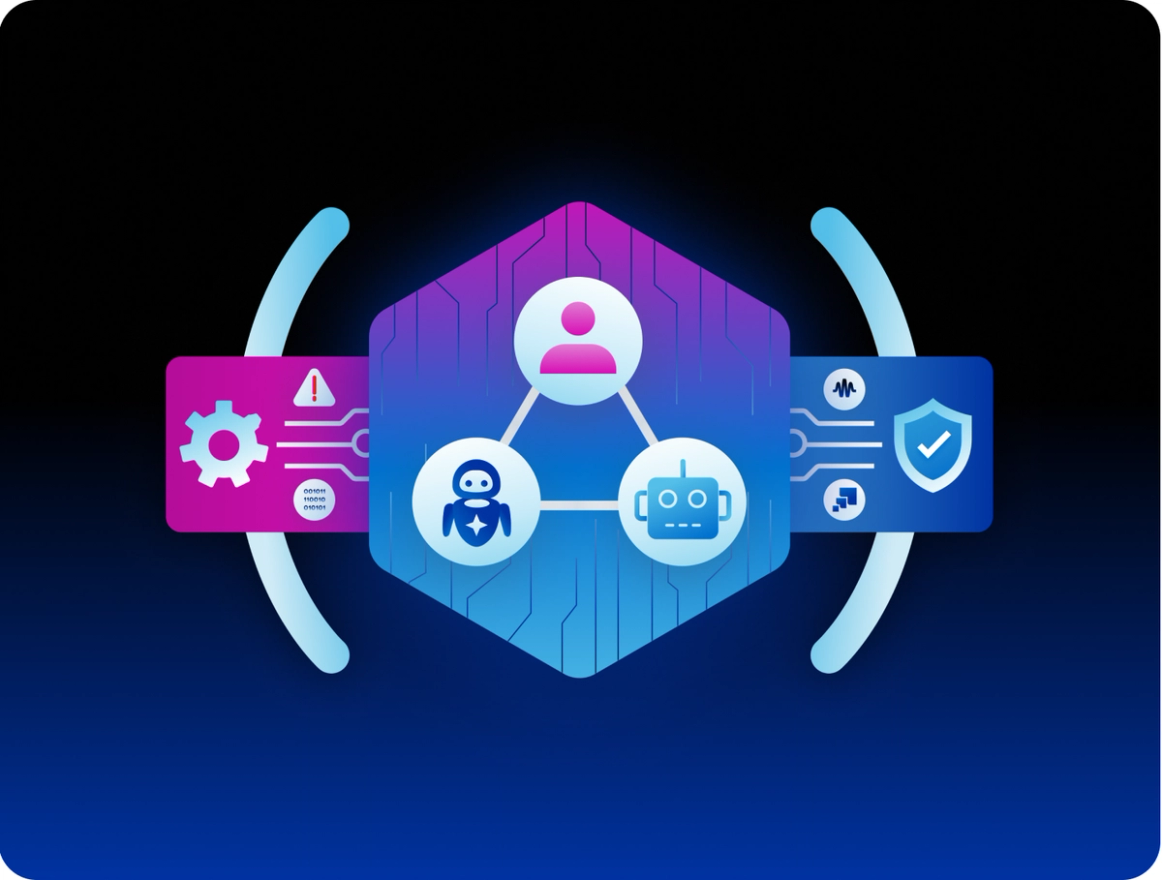
Security teams gain high-fidelity identity context directly in their workflows to speed up investigation and response. By visually mapping an identity’s blast radius, analysts can prioritize high-risk threats and execute confident response actions.
- Surface privilege exposure and access scope during active incidents.
- Provide access history and entitlement context in real time.
- Enable faster triage and more informed containment actions.
our customers
The world’s leading enterprises trust SailPoint
53% of the Fortune 500 and 28% of the Forbes Global 2000












HEINEKEN balances security & productivity
“With SailPoint as our partner, we are able to build a robust identity security platform together which serves our ultimate goal to become best-connected brewer.”
Kamy Ng, Digital Identity Lead, HEINEKEN
See SailPoint in action
Explore on your own
Take a self-guided tour of SailPoint's identity security platform
Take product tourRelated resources
Learn more about Security Infrastructure
FAQ
Frequently asked questions
What is Security Infrastructure?
Security Infrastructure is the foundational layer that connects identity and security systems, enabling identity signals to be exchanged and used across the enterprise.
What is the Shared Signals Framework (SSF)?
The SSF enables bidirectional exchange of identity-related security signals between SailPoint and external security systems.
What does SSF do?
SSF transmits, receives, and normalizes identity-related security signals so they can be shared consistently across identity and security platforms.
Does SSF make security decisions?
No. SSF moves and normalizes identity signals. Security decisions are made by downstream security tools or by SecOps Identity Intelligence, which enriches identity signals with governance context.
What is SecOps Identity Intelligence?
SecOps Identity Intelligence enriches security workflows with governance-grade identity context such as access history, privilege exposure, and entitlement data to support faster investigations and more informed response actions.
How do SSF and SecOps Identity Intelligence work together?
SSF helps ensure identity signals are reliably exchanged across systems, while SecOps Identity Intelligence transforms those signals into actionable context within security operations workflows.
Ready to take the next step?
Put adaptive identity to work
See how SailPoint sets the standard for identity security—helping enterprises reduce risk, scale with confidence, and stay ahead of what’s next.
Detect risk in real time. Continuously monitor identity behavior and surface threats the moment they appear.
Adjust access dynamically. Automatically tighten or grant permissions based on risk, context, and user behavior.
Protect every identity. Secure human, machine, and third-party access across your entire environment.