AI RISK INDEX ASSESSMENT
Is your AI a security risk? Find out now.
3 minutes. Instant results. Know where you stand before your auditors — or attackers — discover your gaps.
Audit your AI footprint
Expose ungoverned privileges
Learn how to scan for AI-era vulnerabilities
Benchmark against best practices
Get a prioritized action plan
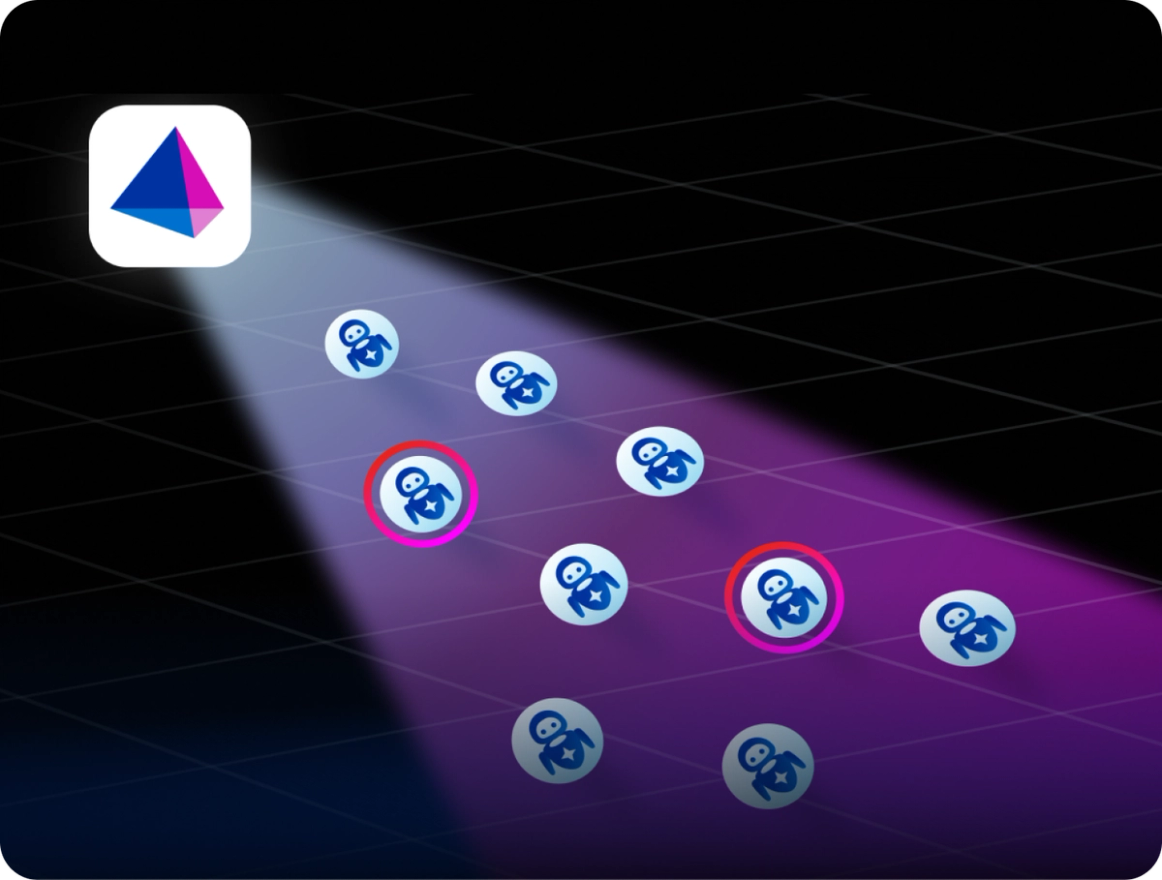
The unseen risk
Evaluate your AI workforce
Your AI workforce is here. Non-human identities now outnumber humans users 144 to 11, yet the majority of organizations only govern humans. That's your next breach. SailPoint can help you discover, govern, and secure non-human identities before auditors or attackers find them first.
Understanding the AI risk index
Your score measures your exposure in the new non-human identity threat landscape. With AI agents and machine identities rapidly expanding your attack surface, a lower score is critical. It proves helps evaluate if your organization’s identity program is risk-averse, actively securing securing autonomous identities before they can be exploited.
The scoring range is:
Low/Medium risk: Agentic era leaders. Foundations are in place, but managing AI agents and non-human identities still relies on manual processes.
High/Critical risk: Significant exposure. Extreme risk: Significant blind spots mean AI agents outpace IT governance, risking undetected breaches.
How we assess AI risk
The formula for secure AI
Traditional security doesn’t stop AI threats. We assess your ability to discover hidden AI, govern access policies, and secure your modern attack surface.
Find AI agents
Uncover your hidden AI footprint
You can't govern what you can't see. SailPoint scans your environment to map every active AI agents, machine identities, and shadow service accounts—giving you comprehensive visibility into the hidden assets expanding your attack surface.
Take the assessment
Your AI agents are working. Is anybody watching?
AI agents are multiplying across your enterprise. Many have privileged access. Almost none are governed. That gap is your next greatest exposure.